Zwierzyniec - Krakow's district of art, history, and greenery
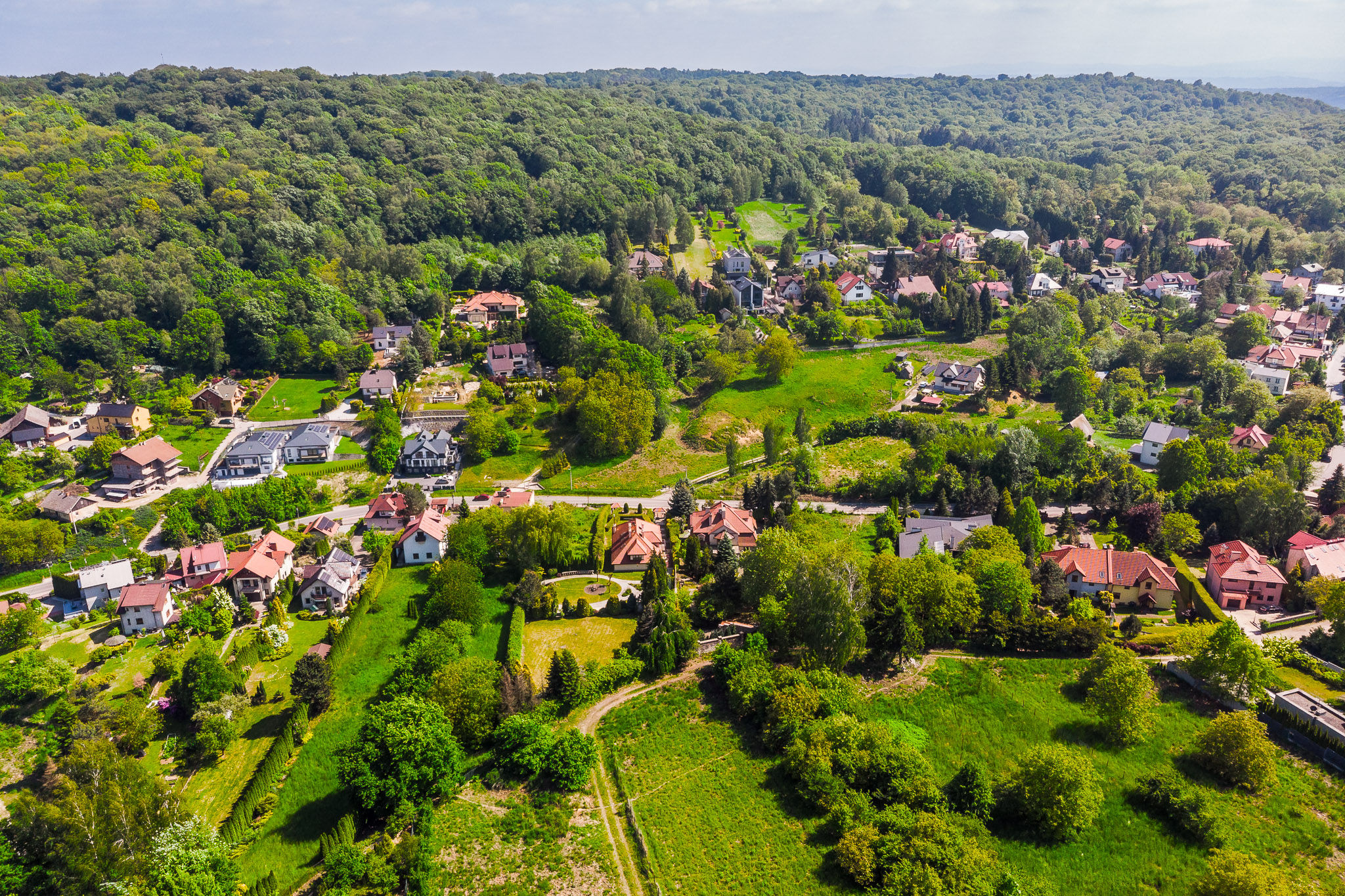
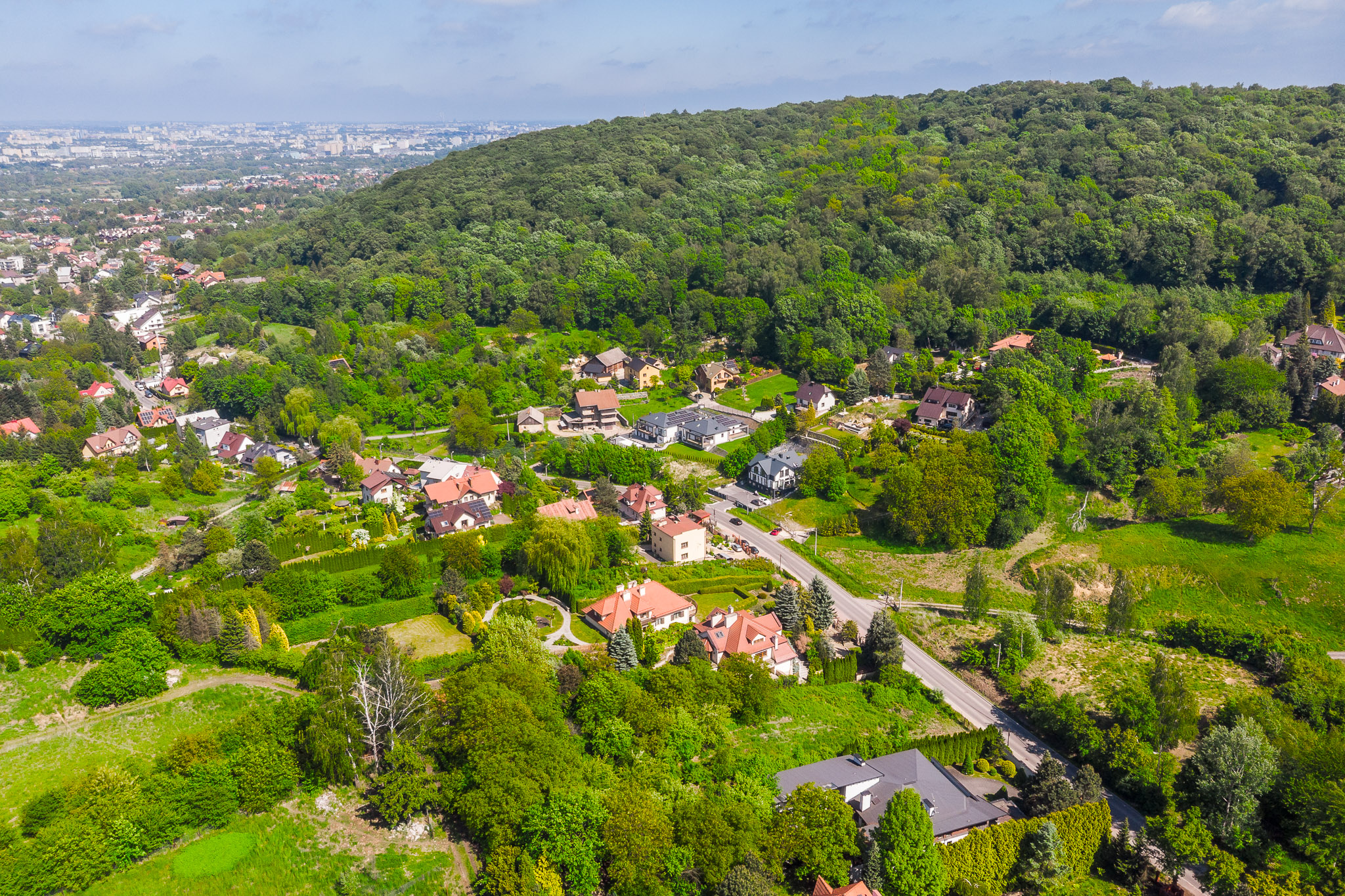
Discover a prestigious oasis of tranquility, where historical architecture seamlessly blends with the vast expanse of Krakow's Błonia and the charming paths of the Wolski Forest.
Based in Kraków, Poland
Based in Kraków, Poland
General Info
District VII Zwierzyniec is one of the largest, yet least populated and greenest areas of Kraków. It is characterized by an exceptionally rich history dating back to the 12th century when Jaksa Gryfita founded the Norbertine Convent here. It has always been a hub for Kraków's intelligentsia and artists (former residents include Jacek Malczewski and Wlastimil Hofman), which continues to give it a unique, creative, and highly prestigious character today. Zwierzyniec is the birthplace of Kraków's most famous traditions, such as the Lajkonik parade and the Easter Emaus fair. Currently, Zwierzyniec is considered an oasis of tranquility that perfectly blends the proximity of the city center with an almost rural, resort-like atmosphere, attracting those seeking respite and ample space.
Architecture & Property
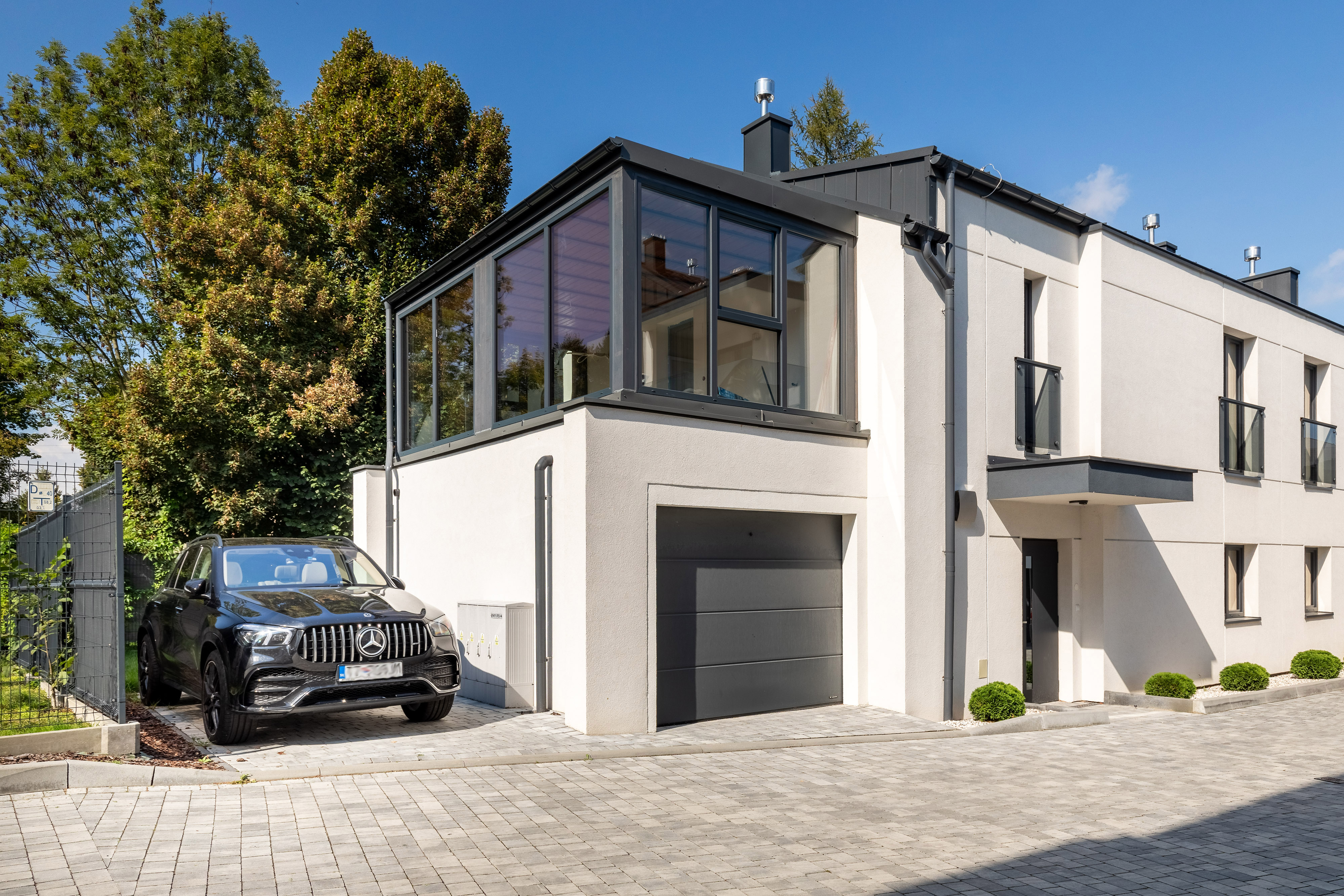
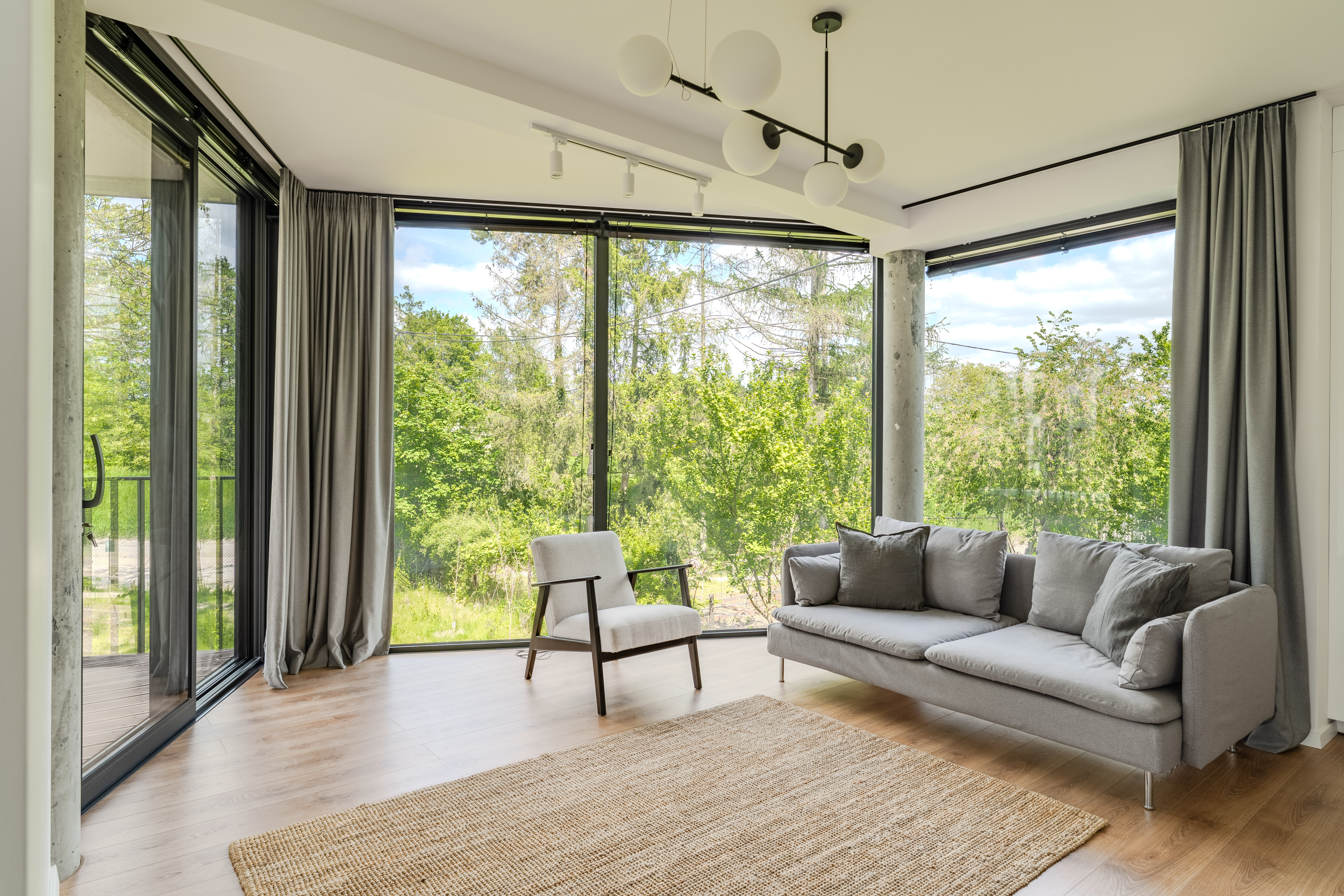
The architecture of Zwierzyniec is highly diverse and transitions seamlessly depending on the neighborhood. In the eastern part of the district (e.g., Salwator), historical tenements with a typical downtown, perimeter-block character dominate. Conversely, in the prestigious, villa-filled Wola Justowska, exclusive single-family homes prevail. The new-build market here is highly sought after, offering luxury apartments and intimate residential developments (such as Apartamenty pod Stokiem, Rudava Park, Emaus 41, Królowej Jadwigi Residence II, and Osiedle Niezapominajek), frequently equipped with smart home systems. It is worth noting that this district consistently ranks among the most expensive locations on the map of Kraków.
Architecture & Property
The architecture of Zwierzyniec is highly diverse and transitions seamlessly depending on the neighborhood. In the eastern part of the district (e.g., Salwator), historical tenements with a typical downtown, perimeter-block character dominate. Conversely, in the prestigious, villa-filled Wola Justowska, exclusive single-family homes prevail. The new-build market here is highly sought after, offering luxury apartments and intimate residential developments (such as Apartamenty pod Stokiem, Rudava Park, Emaus 41, Królowej Jadwigi Residence II, and Osiedle Niezapominajek), frequently equipped with smart home systems. It is worth noting that this district consistently ranks among the most expensive locations on the map of Kraków.
Green & Recreational Areas
Zwierzyniec is undeniably the greenest district in the city and a true paradise for outdoor recreation enthusiasts. It is home to the famous Błonia - the largest meadow in the city center - as well as the expansive Wolski Forest and the Bielańsko-Tyniecki Landscape Park. Residents can relax in the renaissance Decjusza Park, stroll along the Vistula Boulevards, and admire panoramas from the Kościuszko Mound and Kraków's largest, the Piłsudski Mound. The recreational offer is complemented by the Kraków Zoo, the Kolna Sports and Recreation Center (featuring a swimming pool and a white-water kayaking course), as well as the facilities of historic sports clubs like Cracovia, Juvenia, and Zwierzyniecki KS.