Loading...

Vibrant district on the right bank of the Vistula River

Praga-Południe is a fascinating mosaic of historical contrasts - from the prestigious Saska Kępa to revitalized spaces and vast green areas.

Praga-Południe
Based in Warsaw, Poland
Praga-Południe
Based in Warsaw, Poland

General Info

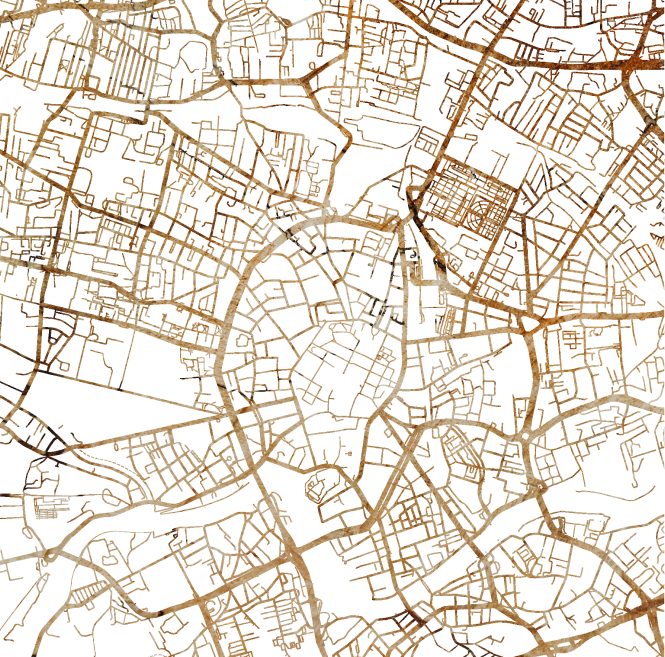
Praga-Południe is a vast and vibrant district located in the eastern part of Warsaw, on the right bank of the Vistula River. With a population exceeding 180,000, it ranks second in the capital in terms of population density. For about two decades, this area has experienced a true renaissance, and its former infamous reputation has faded into oblivion - crime has dropped significantly here, making Praga-Południe a safer place than Śródmieście or Mokotów. The district, rich in history (encompassing the lands of former settlements such as Kamion, Grochów, and Gocław), consists of well-known neighborhoods: Grochów, Gocław, Saska Kępa, Kamionek, and Gocławek. Thanks to its proximity to the city center and its unique atmosphere, this area attracts young families, students, and crowds of investors.
Architecture & Property

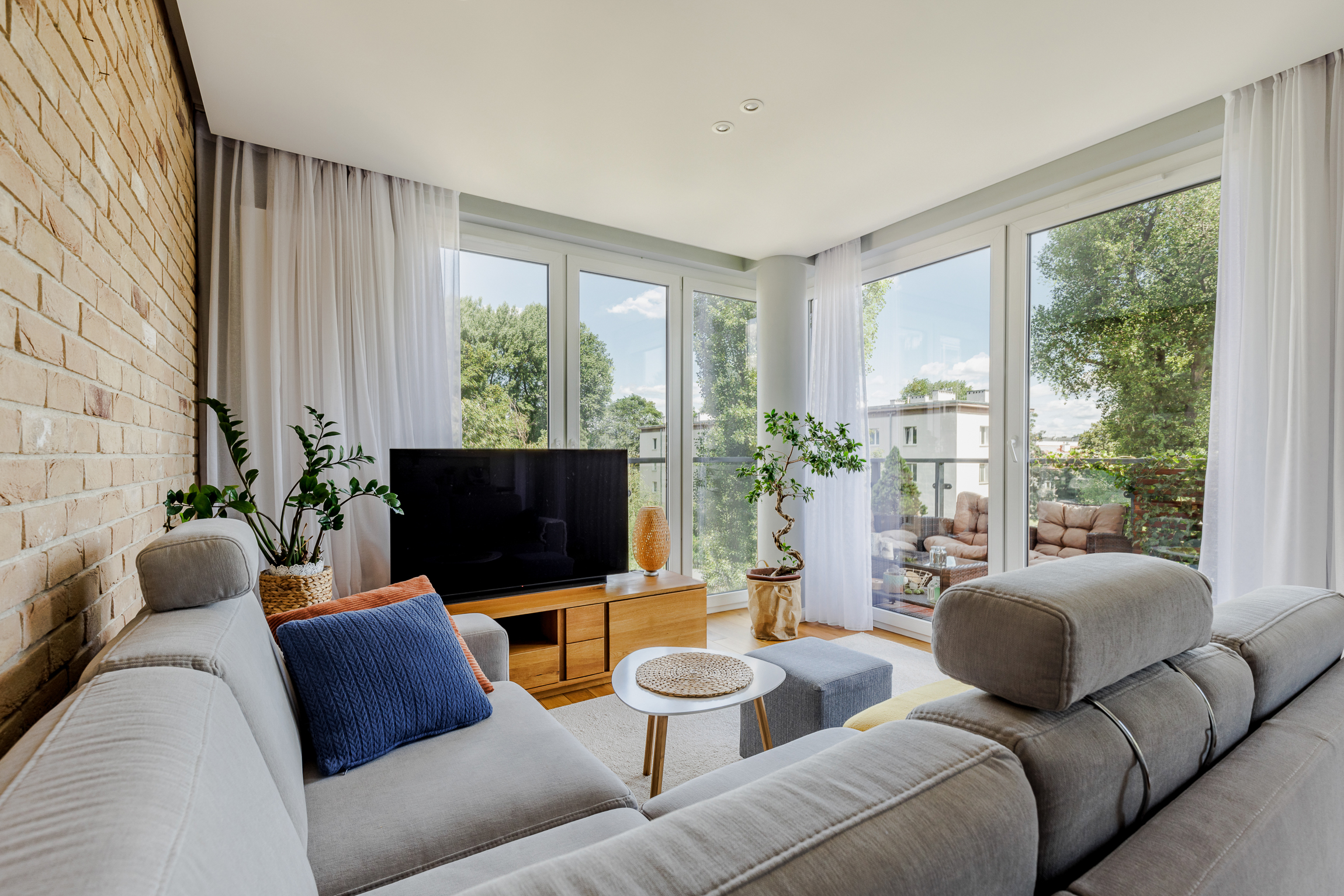
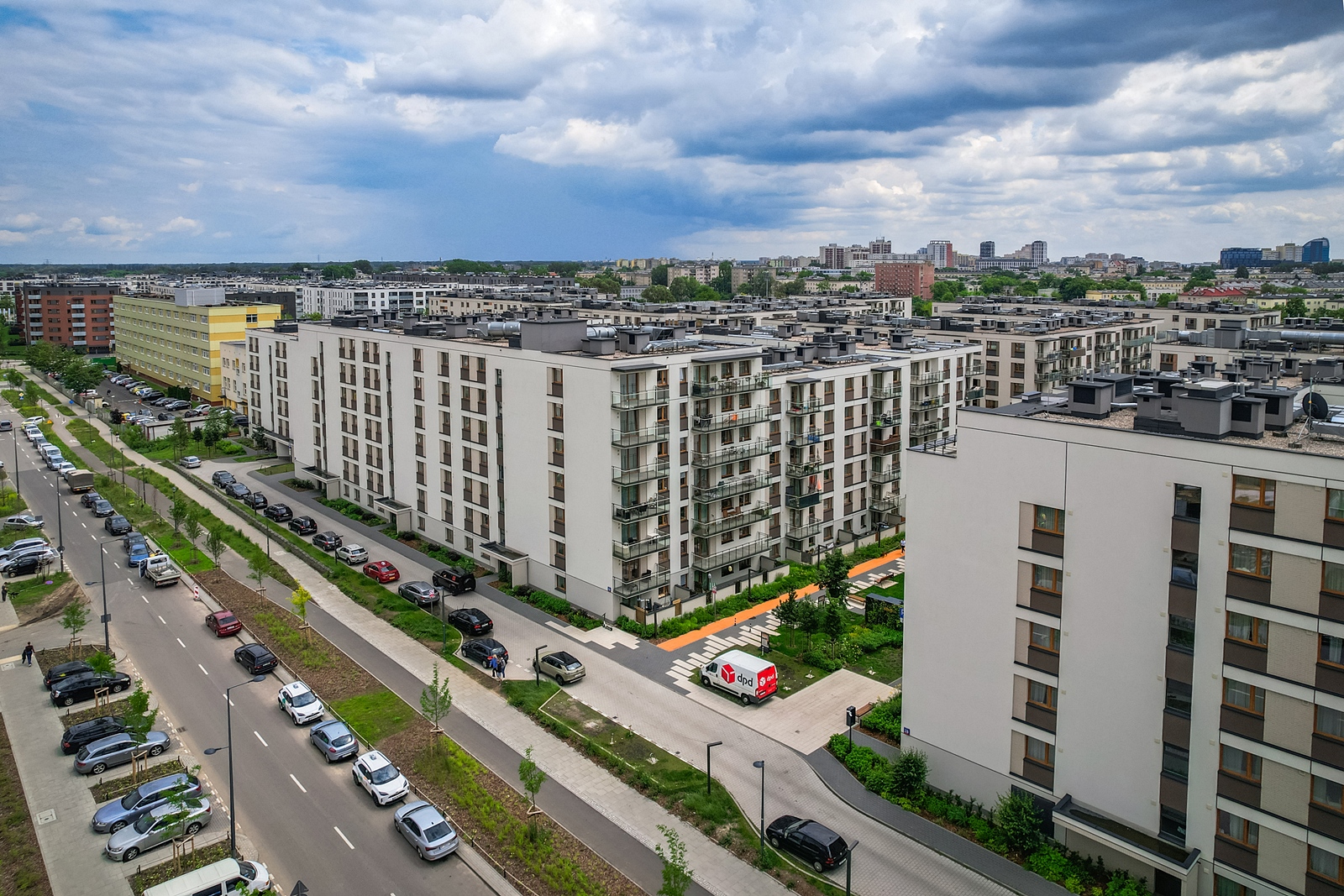
The architecture of Praga-Południe is a fascinating mosaic of historical contrasts, catering to the tastes of a wide audience. On one hand, there is the prestigious Saska Kępa, famous for its intimate, narrow streets and luxurious interwar villa architecture. On the other hand, in Kamionek and Grochów, nearly 100-year-old tenement houses seamlessly coexist with modern apartment buildings and revitalized, artsy post-industrial spaces, such as the Soho Factory complex or the Wedel Factory. Gocław, built partly on the site of a former sports airport, is in turn dominated by taller residential estates. Currently, a modern primary real estate market is thriving in the district, where developers are carrying out intimate premium investments, eagerly chosen by those who value comfort and excellent access to green areas.

Architecture & Property

The architecture of Praga-Południe is a fascinating mosaic of historical contrasts, catering to the tastes of a wide audience. On one hand, there is the prestigious Saska Kępa, famous for its intimate, narrow streets and luxurious interwar villa architecture. On the other hand, in Kamionek and Grochów, nearly 100-year-old tenement houses seamlessly coexist with modern apartment buildings and revitalized, artsy post-industrial spaces, such as the Soho Factory complex or the Wedel Factory. Gocław, built partly on the site of a former sports airport, is in turn dominated by taller residential estates. Currently, a modern primary real estate market is thriving in the district, where developers are carrying out intimate premium investments, eagerly chosen by those who value comfort and excellent access to green areas.

Green & Recreational Areas

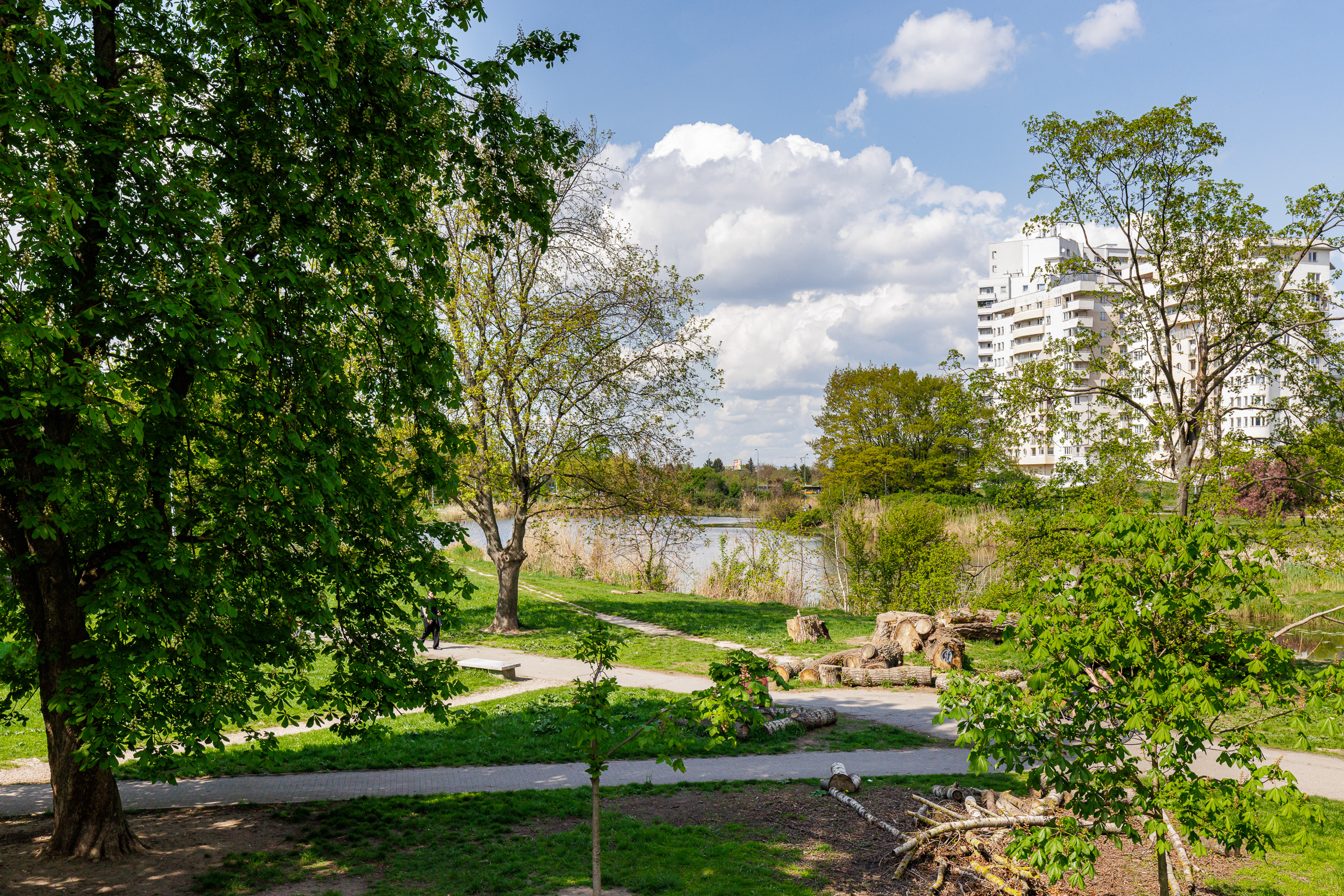
The district abounds in meticulously landscaped green spaces, providing ideal conditions for relaxation in the middle of a big city. The true pearl of the area is the Ignacy Jan Paderewski Skaryszewski Park - a 58-hectare metropolitan park with ponds, a rosarium, and rich flora, which won the title of the Most Beautiful Park in Poland in 2009. Lovers of wilder nature will appreciate the 111-hectare Olszynka Grochowska Forest Reserve, perfect for long walks and bike rides. The green areas are complemented by the comprehensively revitalized Józef Poliński Park, the intimate Znicz Park, and the excellently equipped Park nad Balatonem. In the summer season, the Poniatówka Beach by the Vistula River is immensely popular, while fans of great sports emotions and musical events are attracted year-round by the modern PGE Narodowy Stadium.
Transport

  • Car: The district's main arteries facilitating smooth travel in all directions include Aleja Waszyngtona, Aleja Stanów Zjednoczonych, ul. Grochowska, and Trasa Siekierkowska. Although drivers must expect traffic jams on the main bridges (Łazienkowski, Poniatowski, Świętokrzyski) during rush hours, the situation has been significantly improved by road investments and numerous bus lanes.
  • Metro: Praga-Południe is connected to the M2 metro line via the Stadion Narodowy station, from where the underground journey to the left-bank Świętokrzyska station takes just 8-9 minutes. The network's expansion will continue with the planned construction of the M3 metro line, which will ultimately connect the Stadion Narodowy station with Gocław.
  • Bus and tram: The surface public transport network operates very efficiently here. Regularly running trams (including key lines 3, 6, 9, 22, 24, 26) and numerous express bus lines allow you to reach the center from Grochów or Saska Kępa in about 10-25 minutes. With the aim of easing traffic, a new tram route is also planned to run directly to Gocław.
  • Rail: The northern border of the district is marked by the crucial transport hub for the entire eastern part of the capital - the Warszawa Wschodnia (Warsaw East) railway station. Residents can also easily use the thriving network of the Szybka Kolej Miejska (SKM - Fast Urban Railway) and Koleje Mazowieckie (Masovian Railways) stopping at the following stations: Warszawa Stadion, Warszawa Olszynka Grochowska, and Warszawa Grochów.
  • Bicycle: The area is a highly accommodating place for cyclists, with a developed network of nearly 30 km of bicycle paths - especially within Gocław and Saska Kępa. The most popular routes include those along Wał Miedzeszyński and the historic Warsaw Battles Trail (Szlak Bitew Warszawskich).

Transport

  • Car: The district's main arteries facilitating smooth travel in all directions include Aleja Waszyngtona, Aleja Stanów Zjednoczonych, ul. Grochowska, and Trasa Siekierkowska. Although drivers must expect traffic jams on the main bridges (Łazienkowski, Poniatowski, Świętokrzyski) during rush hours, the situation has been significantly improved by road investments and numerous bus lanes.
  • Metro: Praga-Południe is connected to the M2 metro line via the Stadion Narodowy station, from where the underground journey to the left-bank Świętokrzyska station takes just 8-9 minutes. The network's expansion will continue with the planned construction of the M3 metro line, which will ultimately connect the Stadion Narodowy station with Gocław.
  • Bus and tram: The surface public transport network operates very efficiently here. Regularly running trams (including key lines 3, 6, 9, 22, 24, 26) and numerous express bus lines allow you to reach the center from Grochów or Saska Kępa in about 10-25 minutes. With the aim of easing traffic, a new tram route is also planned to run directly to Gocław.
  • Rail: The northern border of the district is marked by the crucial transport hub for the entire eastern part of the capital - the Warszawa Wschodnia (Warsaw East) railway station. Residents can also easily use the thriving network of the Szybka Kolej Miejska (SKM - Fast Urban Railway) and Koleje Mazowieckie (Masovian Railways) stopping at the following stations: Warszawa Stadion, Warszawa Olszynka Grochowska, and Warszawa Grochów.
  • Bicycle: The area is a highly accommodating place for cyclists, with a developed network of nearly 30 km of bicycle paths - especially within Gocław and Saska Kępa. The most popular routes include those along Wał Miedzeszyński and the historic Warsaw Battles Trail (Szlak Bitew Warszawskich).

Local Amenities

The district is characterized by a high degree of autonomy. For larger shopping trips or cinema screenings, residents gladly head to Galeria Atrium Promenada, CH King Cross, or Galeria Handlowa Rondo Wiatraczna. Traditional, trusted bazaars (including Bazar Szembeka and Wiatraczna) are still thriving here. Healthcare in the district is provided by three well-known hospitals: the Grochowski Hospital, the Central Clinical Hospital of the Ministry of National Defence (on Szaserów Street), and the specialized Children's Hospital on Niekłańska Street. Education is maintained at a stable and high level thanks to a developed network of dozens of primary schools and renowned high schools (such as the XIX LO im. Powstańców Warszawy). Furthermore, the highly regarded SWPS University operates in Grochów. Praga-Południe boasts an incredibly rich artistic and culinary life—its heart is the bustling Francuska Street in Saska Kępa. Alternative entertainment is provided by the post-industrial Soho Factory complex (where the phenomenal Neon Museum is located), the ambitious Powszechny Theatre, and unconventional local initiatives, such as the Kicia Kocia café-club or the cult Drukarnia.

Looking to rent or buy in this area?
We are here to help.

List your property with Hamilton May

I want to
Find out more
Find out more
We process your data in accordance with our Privacy policy

See more guides for nearby areas:

Mokotów

Praga-Północ

Accept cookies

Thank you for visiting our website. Your privacy is of utmost importance to us, and data security is our priority. We use cookies to customize content to individual preferences and provide higher-quality services. Please consent to the use of cookies and familiarize yourself with our privacy policy.