Old Town - the historical and cultural heart of Warsaw
A unique blend of reconstructed UNESCO heritage architecture, prestigious dining, and the capital's exceptional atmosphere.
Based in Warsaw, Poland
Based in Warsaw, Poland
General Info
The Old Town is the oldest part of the Polish capital, with its history dating back to the turn of the 13th and 14th centuries. It serves as the historical and cultural heart of the city. In 1944, as a result of wartime hostilities, 85-90% of the Old Town's buildings were destroyed. Thanks to the unprecedented determination and meticulous work of post-war conservators, the district was painstakingly reconstructed. This effort culminated in 1980 when it was inscribed on the UNESCO World Heritage List as a globally unique example of the planned and successful rebuilding of such a vast area. Today, Warsaw's Old Town is a vibrant, incredibly charming destination that attracts crowds of tourists from all over the world and remains the undisputed showcase of the capital.
Architecture
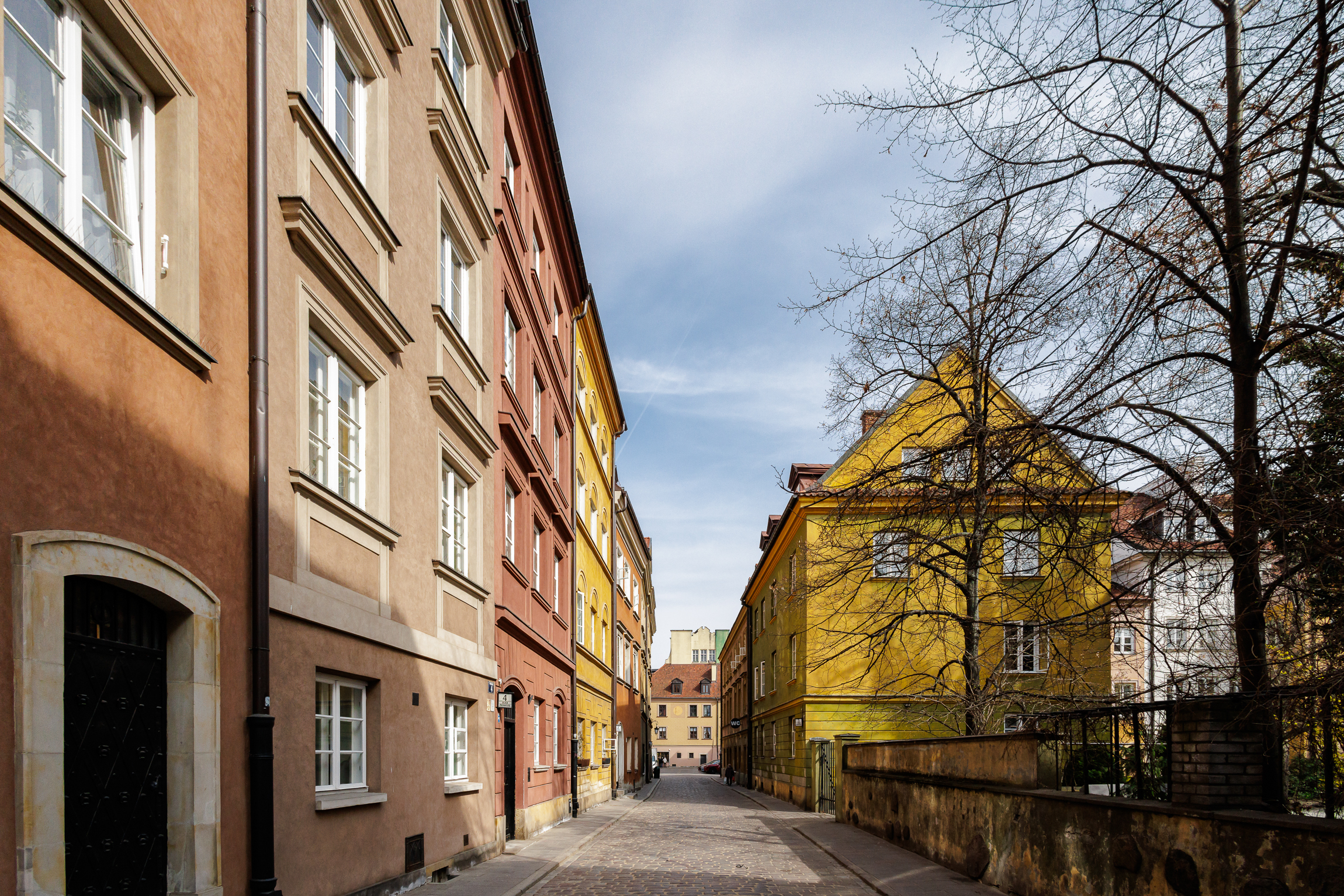
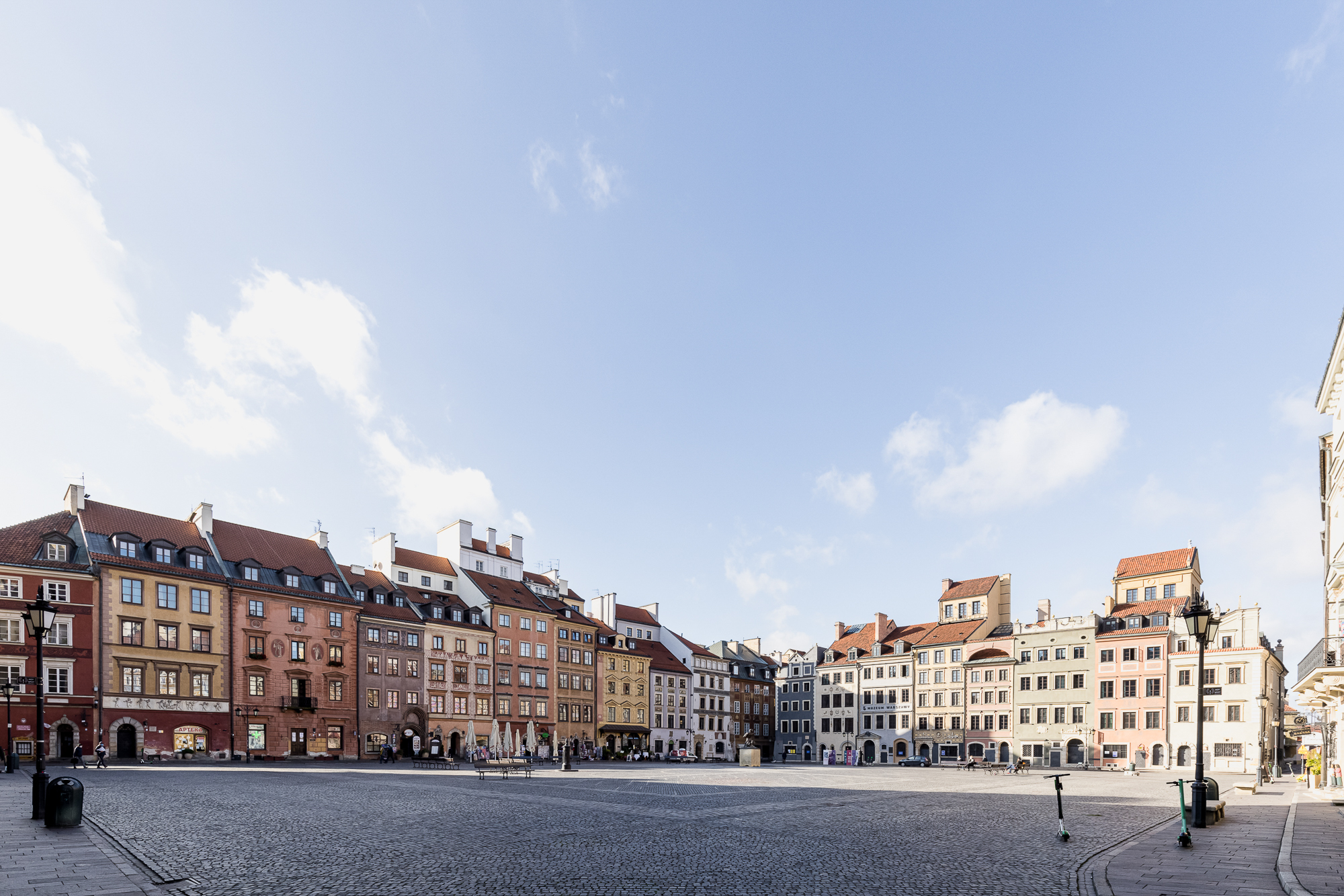
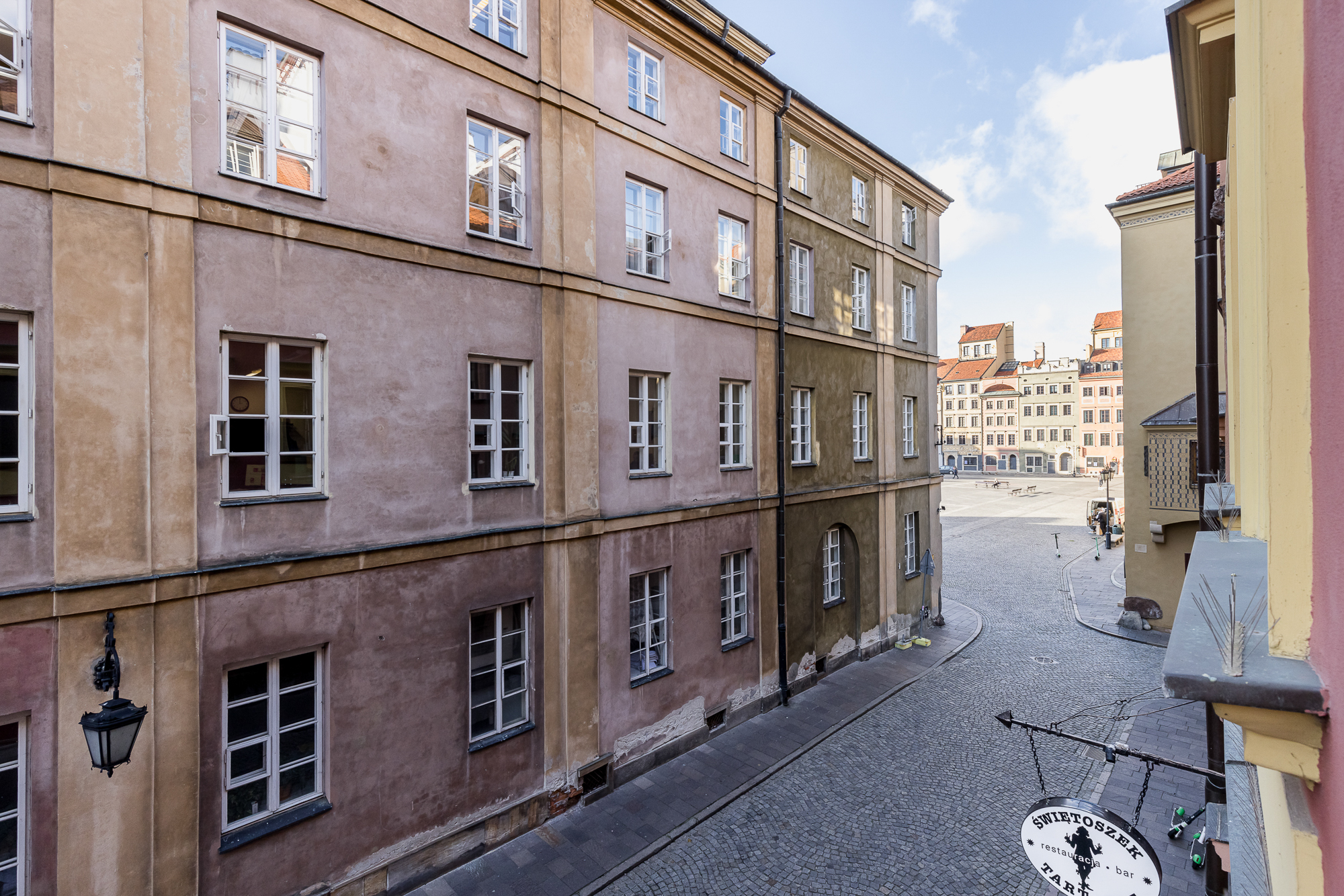
The architecture of the Old Town is a cohesive ensemble that primarily recreates the style of the 17th and 18th centuries, woven into the city's authentic, medieval urban layout. The meticulously reconstructed townhouses, churches, and squares create an image that captivates with its consistency and historical atmosphere. The most important architectural symbols of the Old Town include the early Baroque Royal Castle, the Gothic St. John's Archcathedral, the Renaissance Barbican, and the charming, colorful townhouses surrounding the Old Town Market Square (including the famous Fukier Tenement House and the Pod Murzynkiem Tenement House). Each of them boasts a unique history, often highlighted by richly decorated facades, sculptures, and historic portals.
Architecture
The architecture of the Old Town is a cohesive ensemble that primarily recreates the style of the 17th and 18th centuries, woven into the city's authentic, medieval urban layout. The meticulously reconstructed townhouses, churches, and squares create an image that captivates with its consistency and historical atmosphere. The most important architectural symbols of the Old Town include the early Baroque Royal Castle, the Gothic St. John's Archcathedral, the Renaissance Barbican, and the charming, colorful townhouses surrounding the Old Town Market Square (including the famous Fukier Tenement House and the Pod Murzynkiem Tenement House). Each of them boasts a unique history, often highlighted by richly decorated facades, sculptures, and historic portals.
Green & Recreational Areas
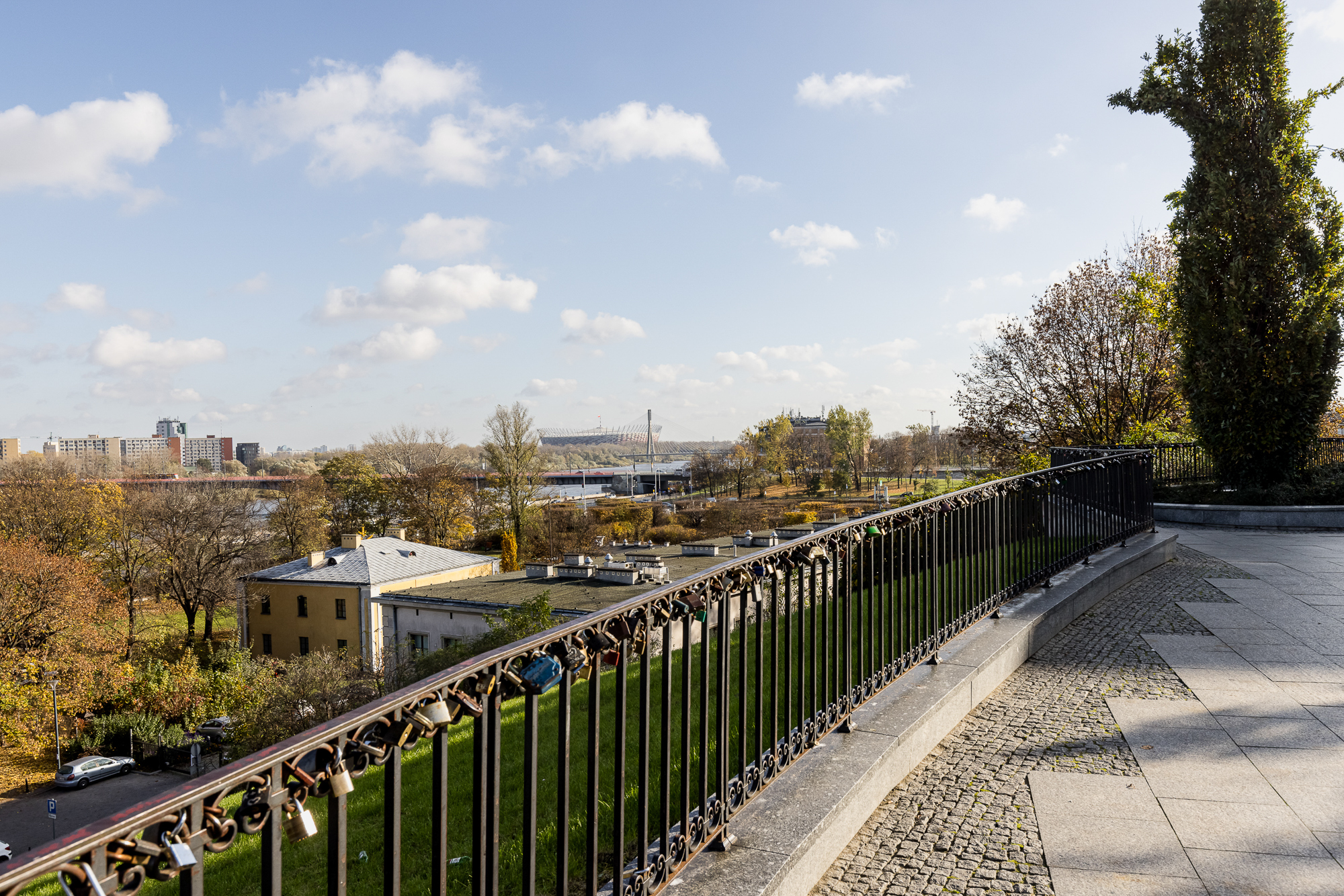
Although the Old Town is characterized by highly dense, historical architecture, it also offers exceptional spaces for relaxation. Residents and strollers eagerly visit the viewing terrace on the former Góra Gnojna (Gnojna Hill), which provides a beautiful panorama of the Vistula River valley and the right-bank side of the city. The modern Multimedia Fountain Park in Podzamcze, located right at the foot of the Old Town, is an ideal place to take a break from the hustle and bustle and relax among green squares. Atmospheric walks along the historic defensive walls are also immensely popular, offering a chance to intimately experience the medieval spirit of this location.